

Paxton — door access that lives on your server, not in a subscription.
Every cloud access platform charges by the door, every month, forever. Paxton Net2 doesn't. You buy the hardware once, the access database lives on your own server, and the only person you pay after that is whoever plows the parking lot. For Chicago buildings that hate line items — HOA boards especially — that math wins a lot of arguments.
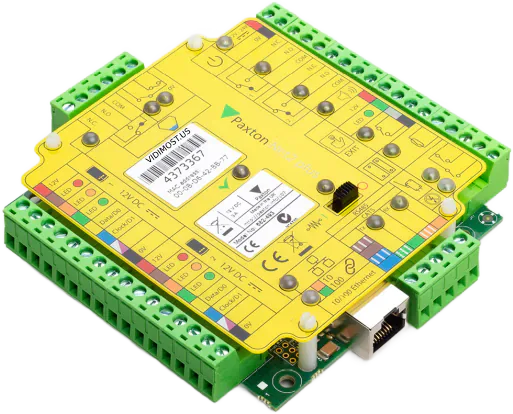
Top pick · the system workhorse
Paxton Net2 Plus Controller
One door per controller, in a metal cabinet with room for a backup battery. PoE+ powered, so it runs on the same cable that feeds it data. The access database sits on your server — if the internet dies, the doors don't care, and nobody bills you monthly for the privilege. This is the board behind most of the Net2 systems we've hung in Chicago.
- • No per-door subscription — buy it once, it's yours
- • Offline-resilient: doors keep their rules without internet
- • Scales door-by-door — add controllers as the building grows
Why on-premises still wins some buildings
The honest answer: for most Chicago properties we quote Brivo first — browser admin from anywhere is hard to beat for an off-site manager. But there's a real slice of buildings where Paxton is the right call, and we install plenty of it.
Net2 fits when the board refuses recurring fees on principle, when the building already has a server closet that's dry and locked, or when compliance wants the credential database physically on-site. The five-year math is simple: a cloud platform's monthly per-door fee, times your door count, times sixty months — against a one-time Net2 purchase and a server you already own. Past a certain door count, Net2 pays for itself twice. Our Brivo vs Paxton comparison runs the numbers both ways, and the cloud pros-and-cons guide covers what a server room actually demands in return.
Retrofits are Paxton-friendly too: Net2 speaks standard Wiegand and reuses existing door wiring that tests clean, so switching an old fob system to Net2 rarely means opening walls. And when a building wants cloud later, the Paxton10 line gets there without changing installers.
The Paxton parts we install
Readers, keypads, and expansion boards that hang off Net2 — every one of them field-tested on a Chicago door.
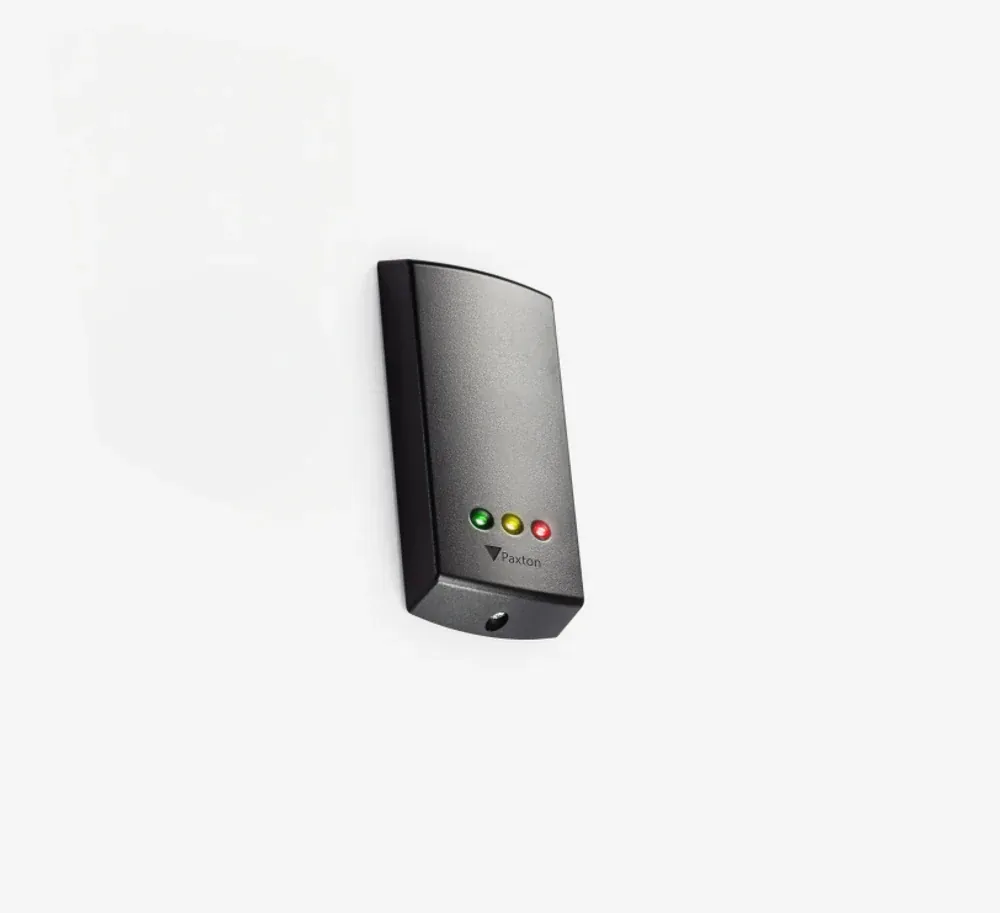
Paxton P50
The standard Paxton wall reader — proximity tokens and cards, sealed for Chicago weather. The default at most Net2 doors.
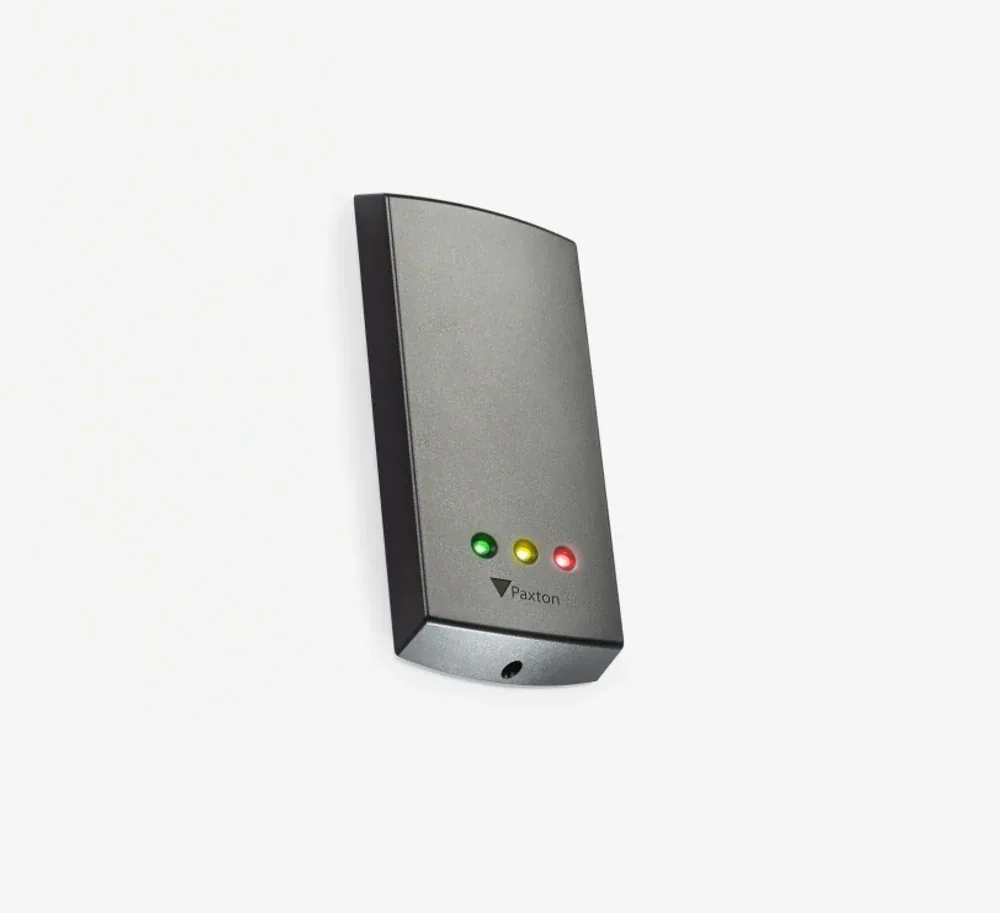
Paxton P75
Paxton's biggest reader — 4-inch token range, 5-foot hands-free mode, IP67. Main entries with real foot traffic.
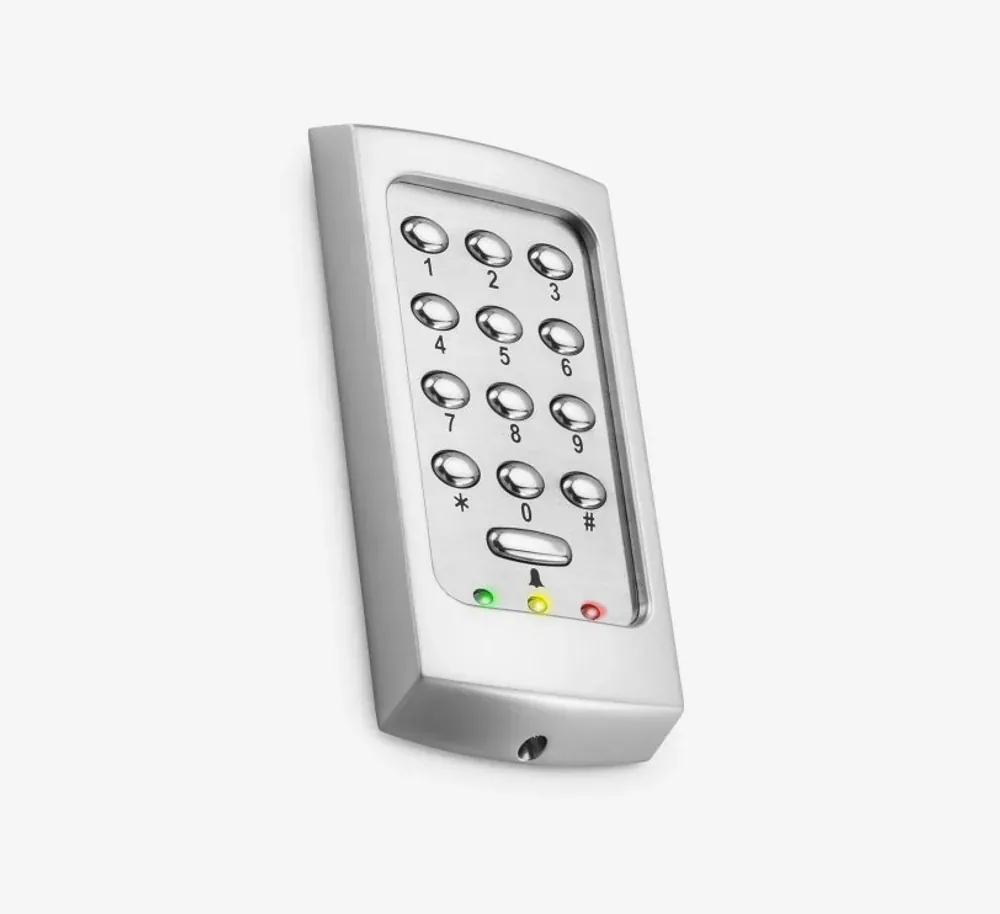
Paxton KP75 MIFARE
Metal keypad reader — MIFARE card plus PIN at doors that take abuse: garages, gated entries, alley doors.
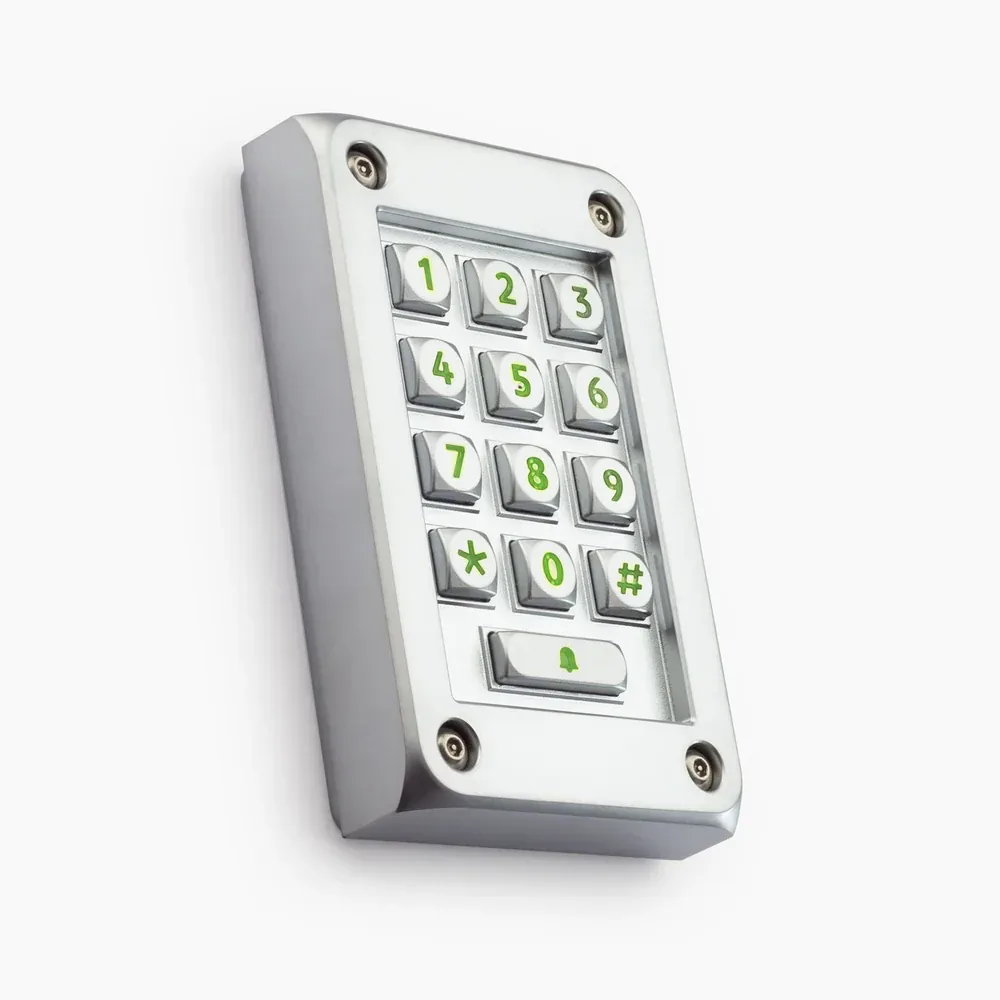
Paxton Touchlock Vandal Metal
Standalone PIN keypad in a cast metal housing — runs one door with no controller or software at all. Gates and utility rooms.
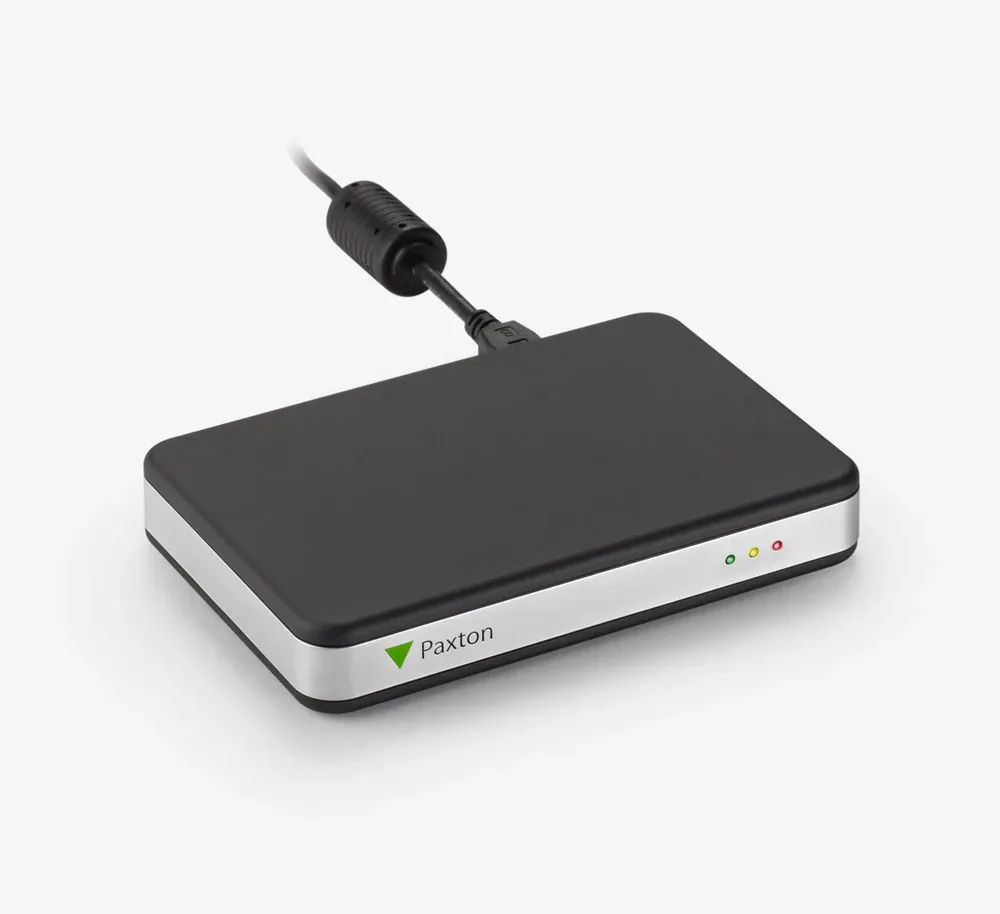
Paxton Net2 EX Desktop
USB desktop enrollment reader — add new fobs from the manager's desk instead of walking to a door.
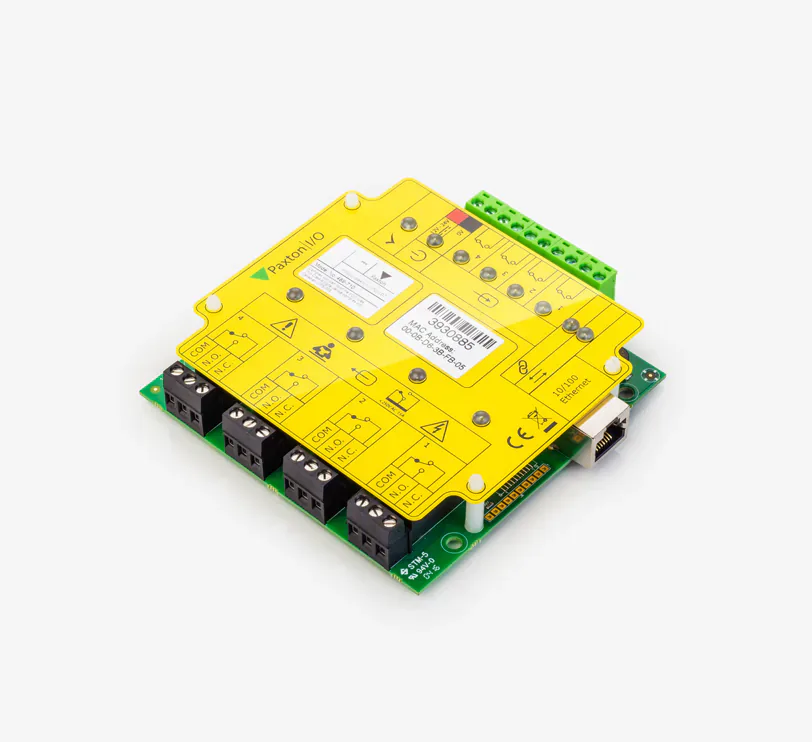
Paxton Net2 I/O Board (489-710)
The I/O board that takes Net2 beyond doors — elevators, barriers, lighting, and alarm triggers on the same system.
Read before you buy
The homework, already done — comparisons and cost math from our own installs.
Installed, not just sold
We design the door schedule, mount and wire the controllers, set up the Net2 software and user database, and hand over documentation the next manager can actually follow. Access control installs start around $2,000 per door — hardware, lock, and labor — and reusing existing wiring pulls that down fast.